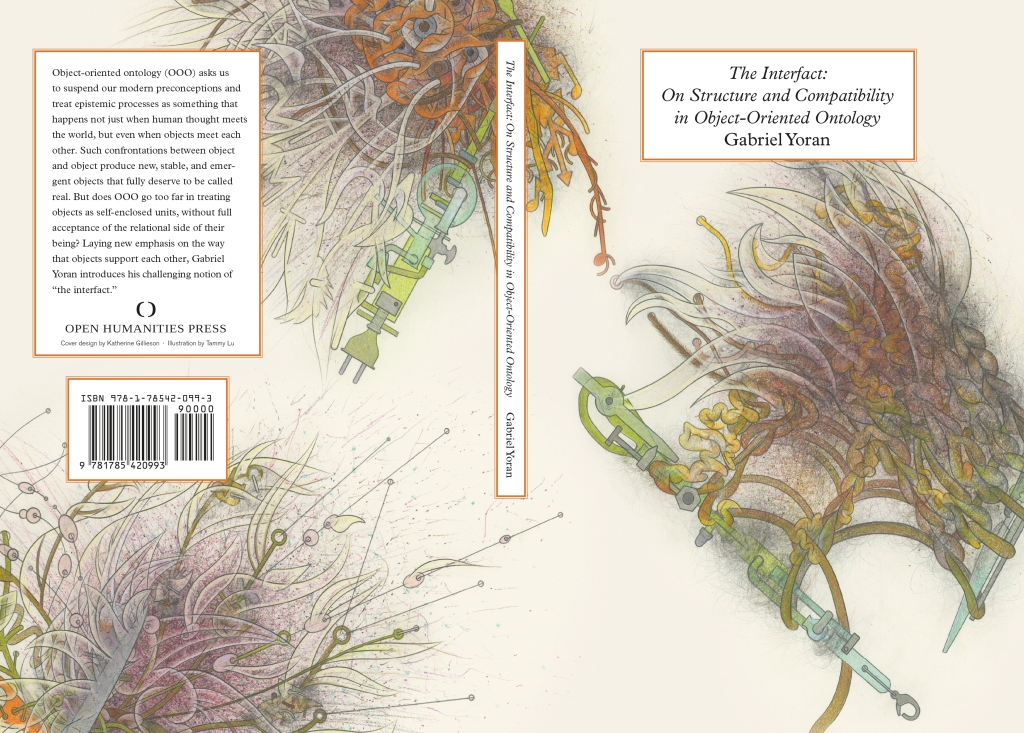
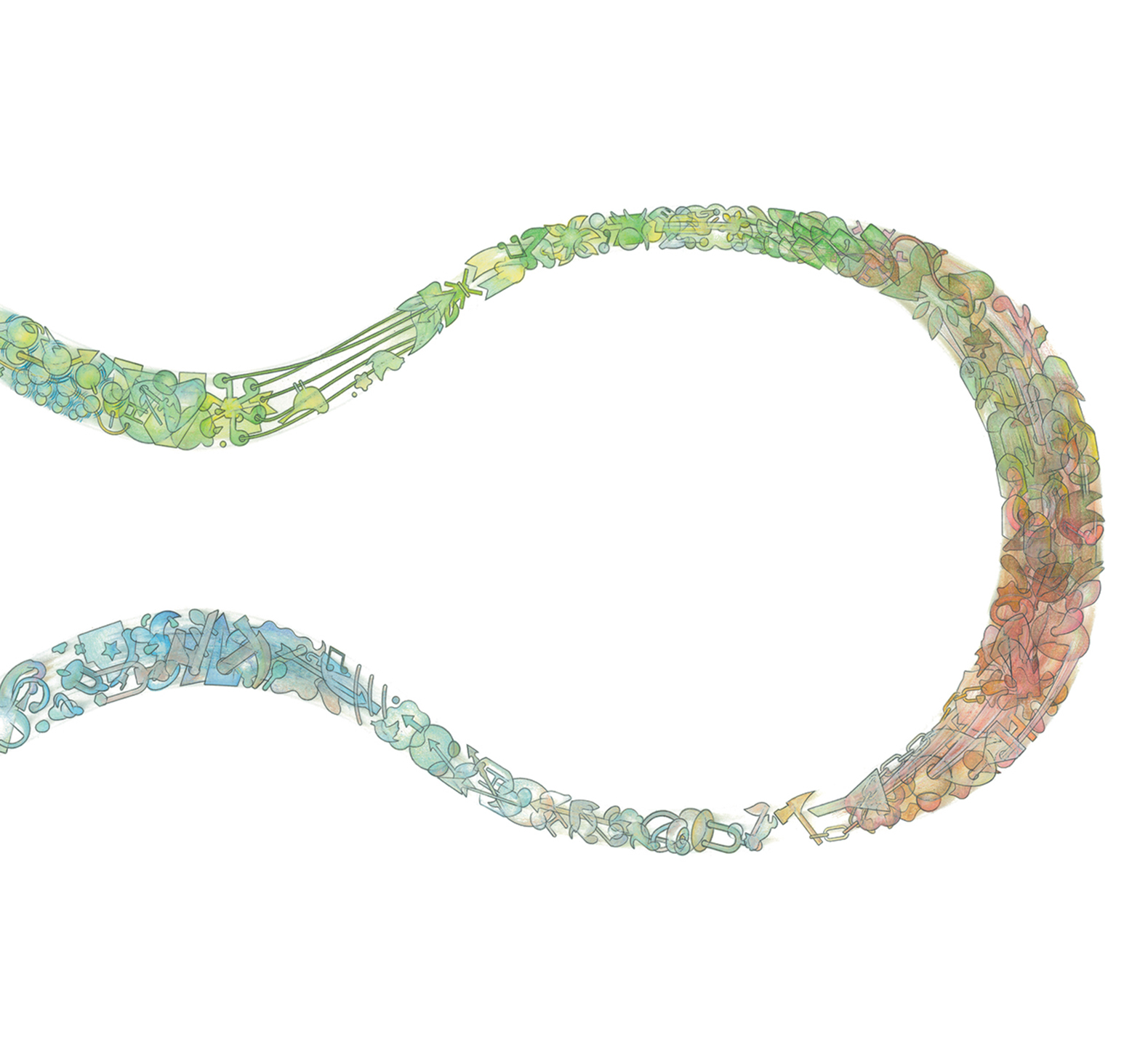
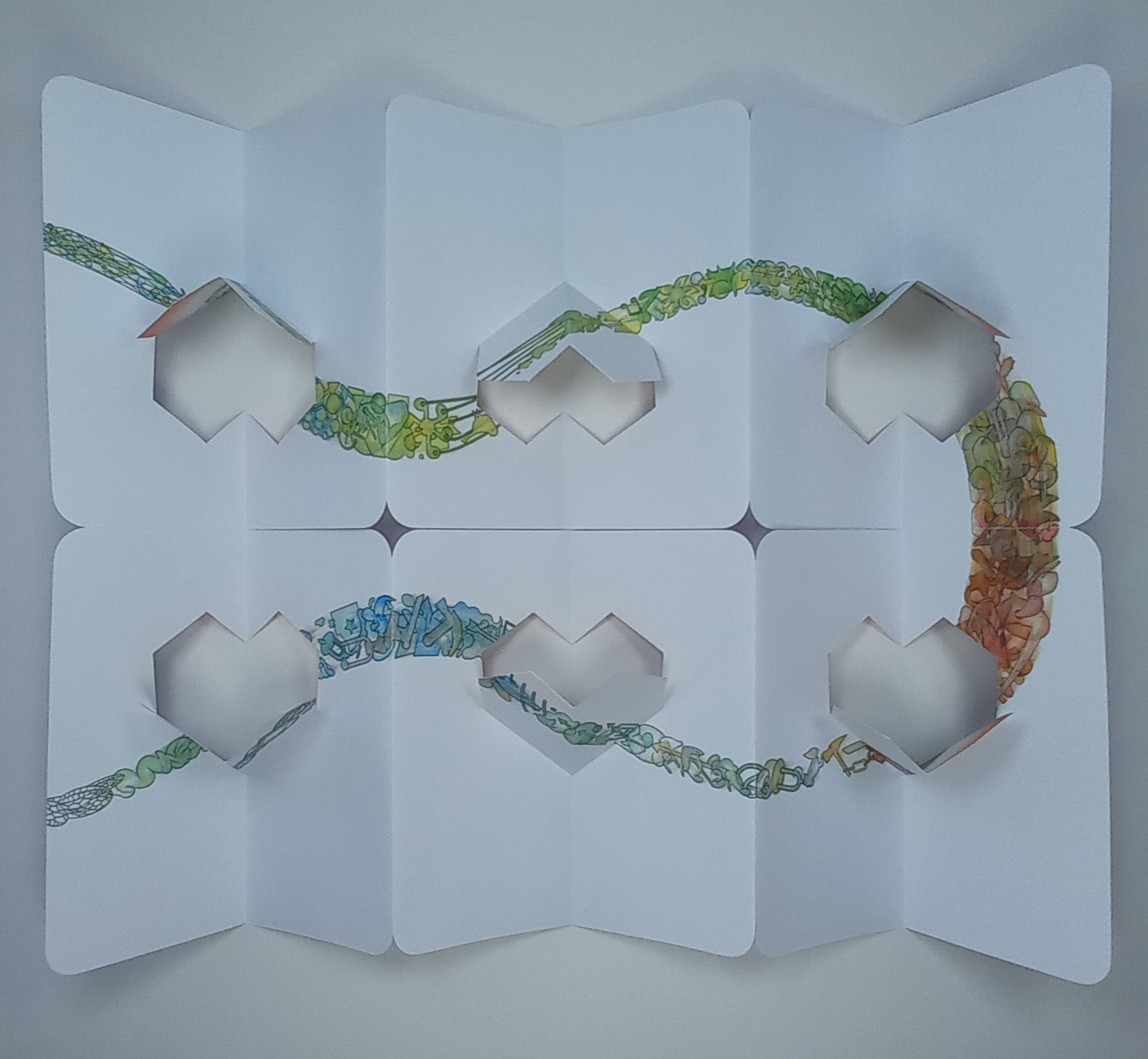
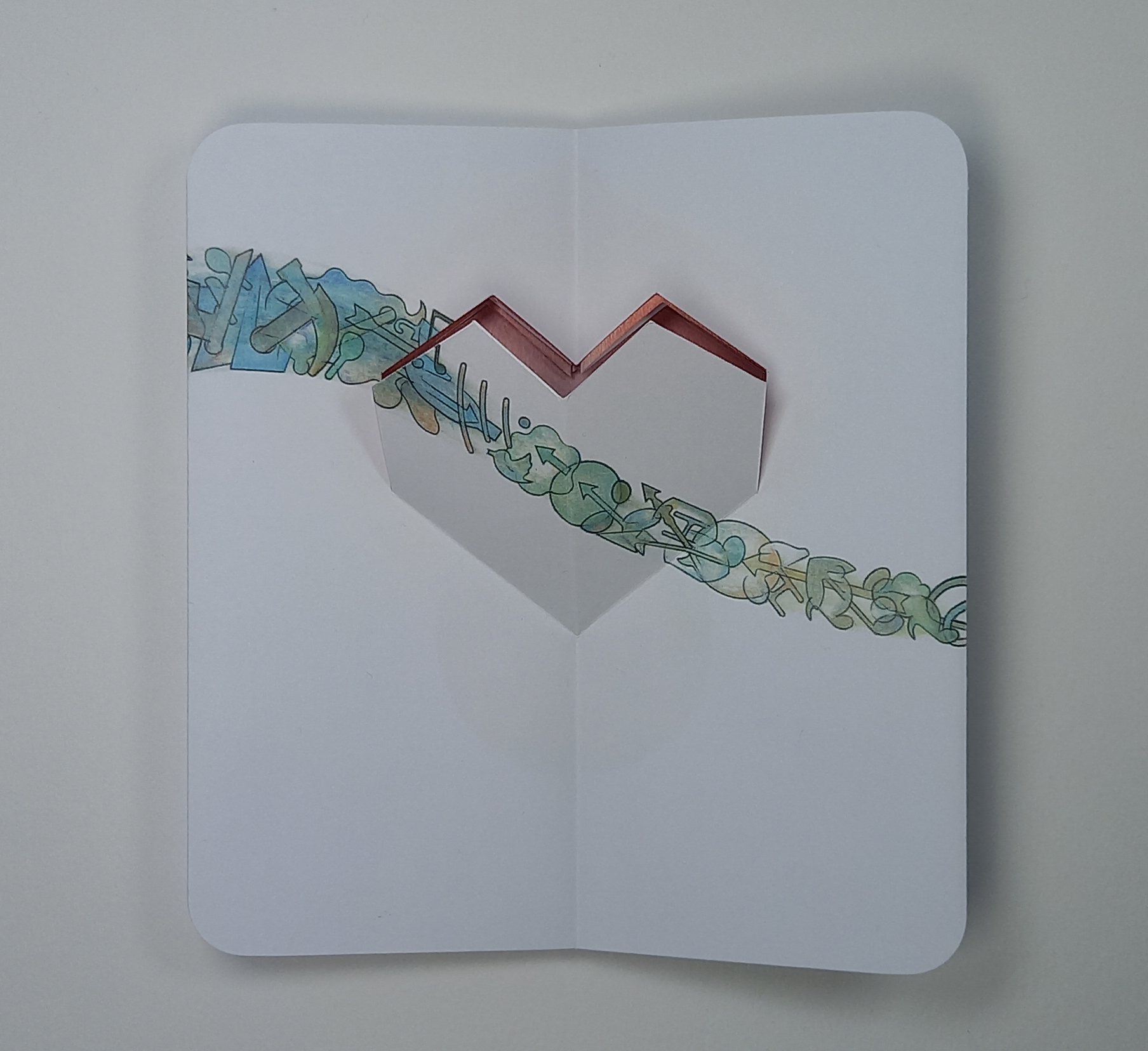
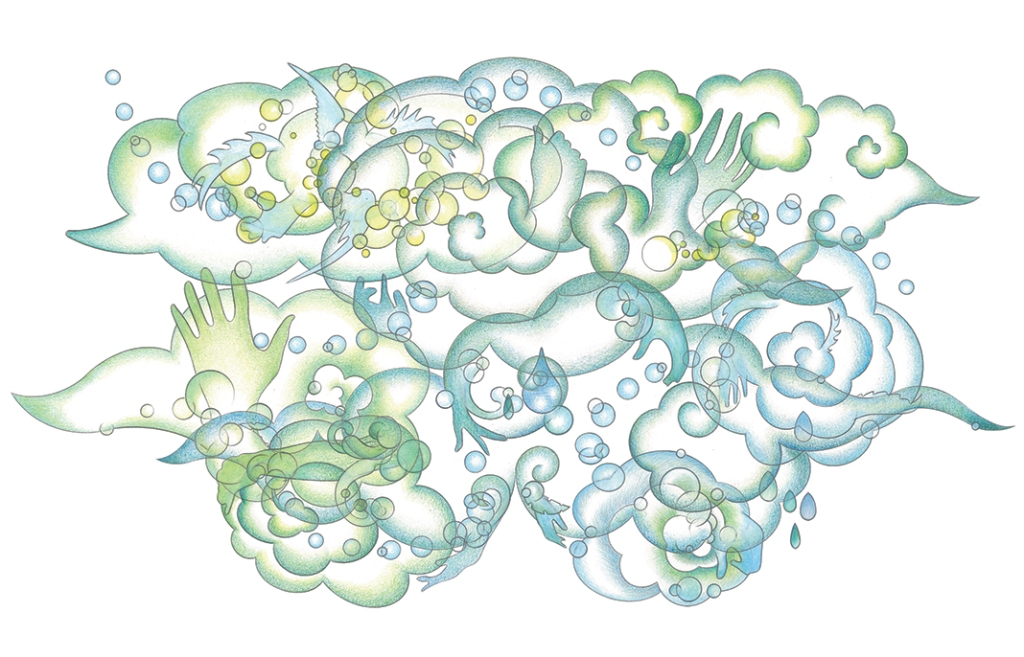
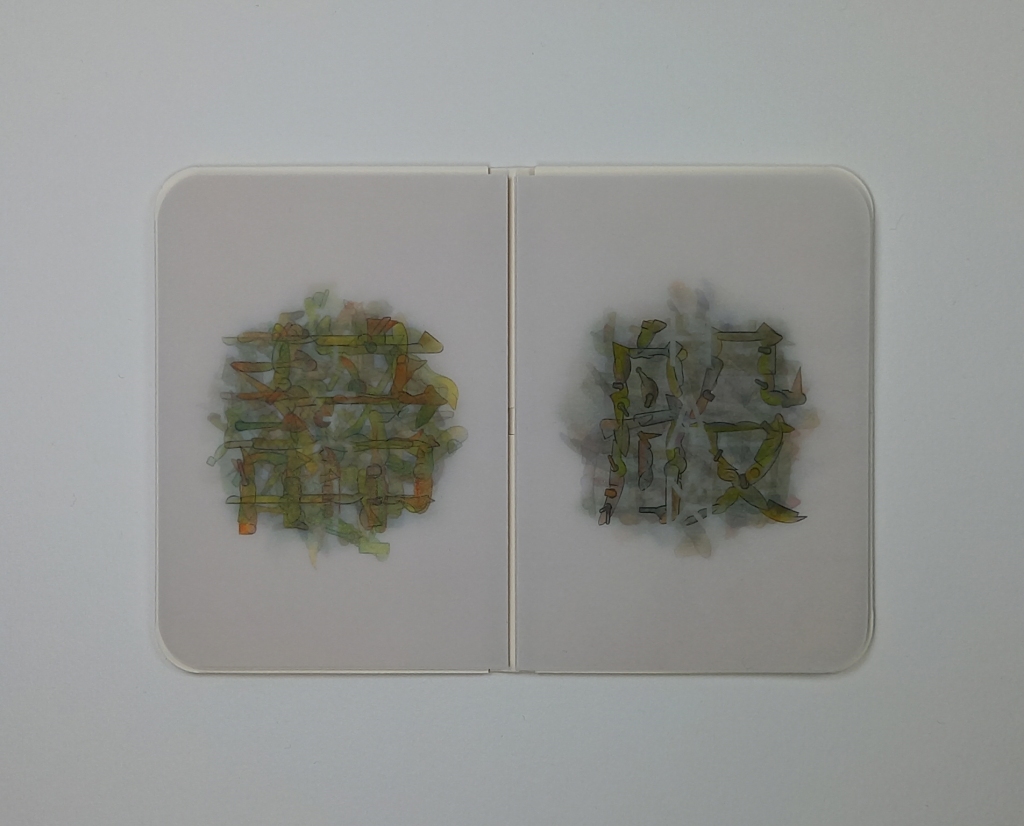
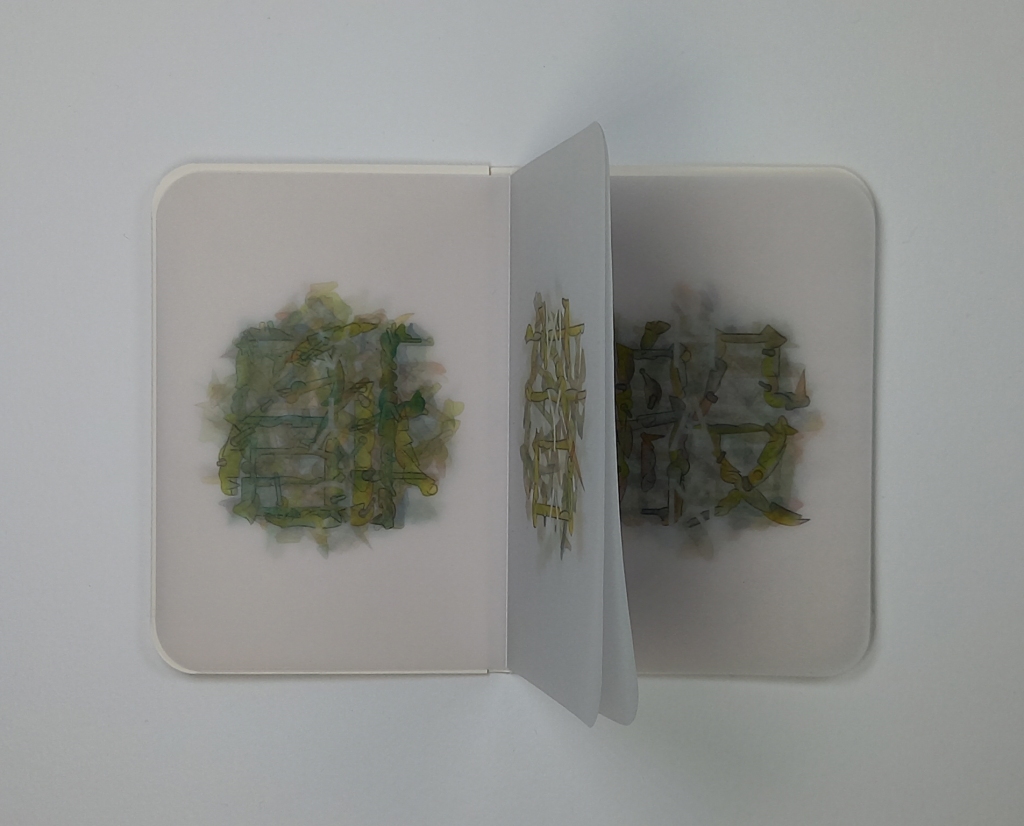
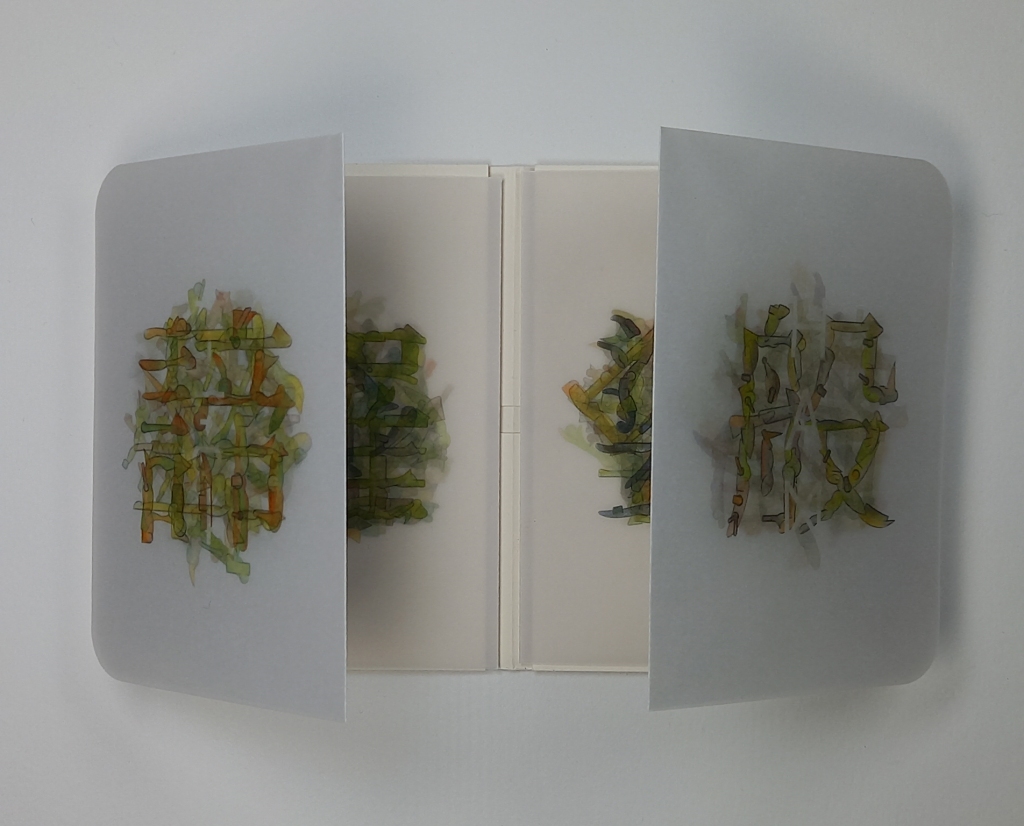
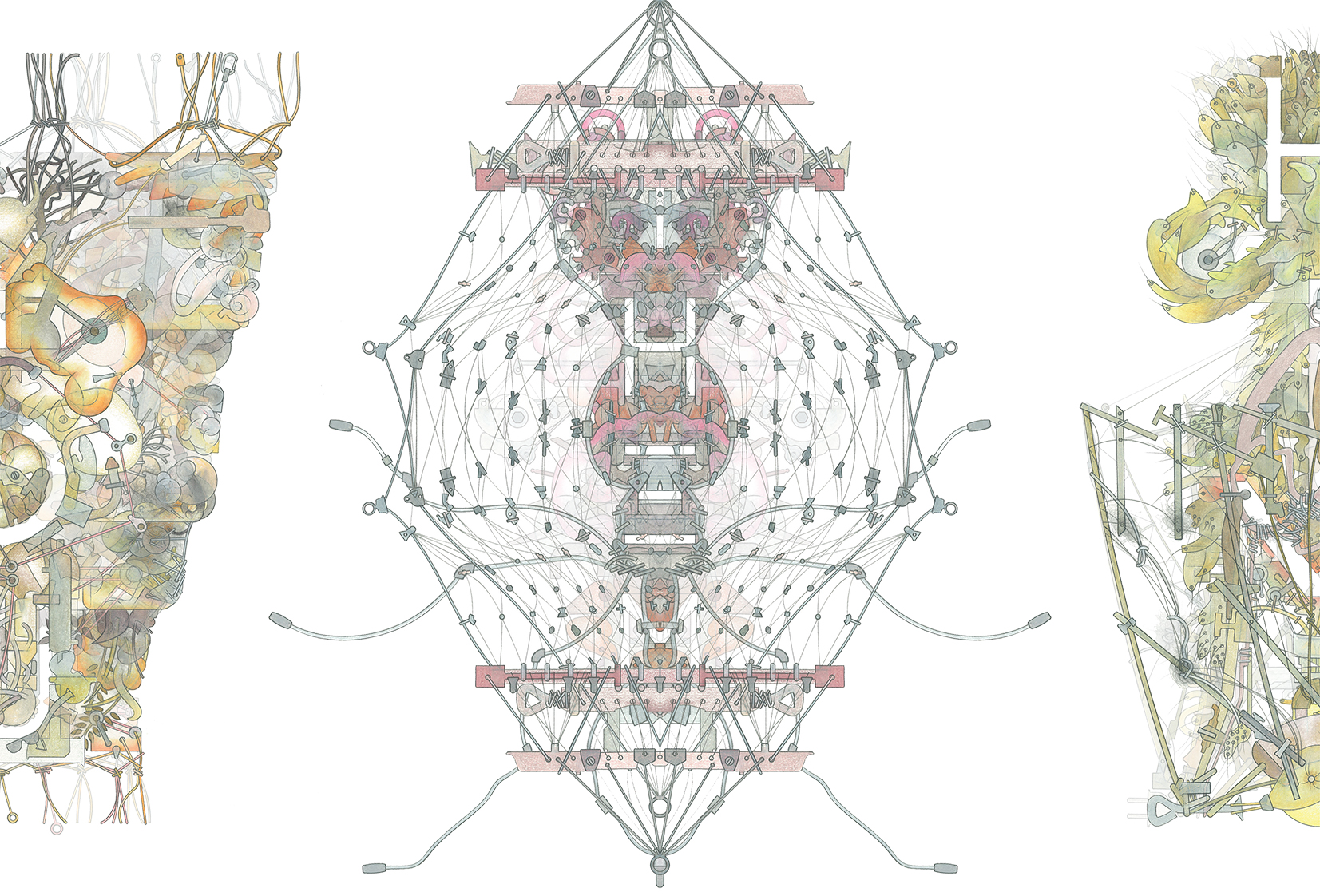
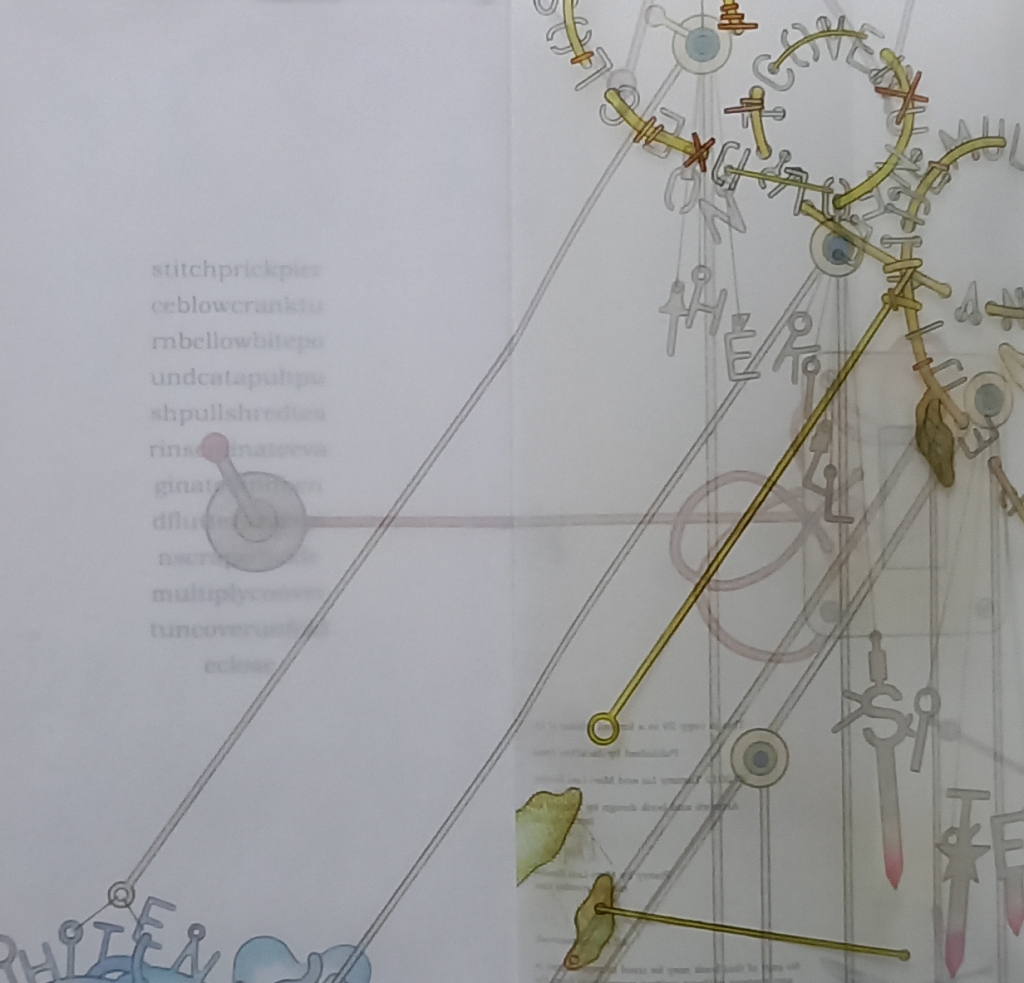
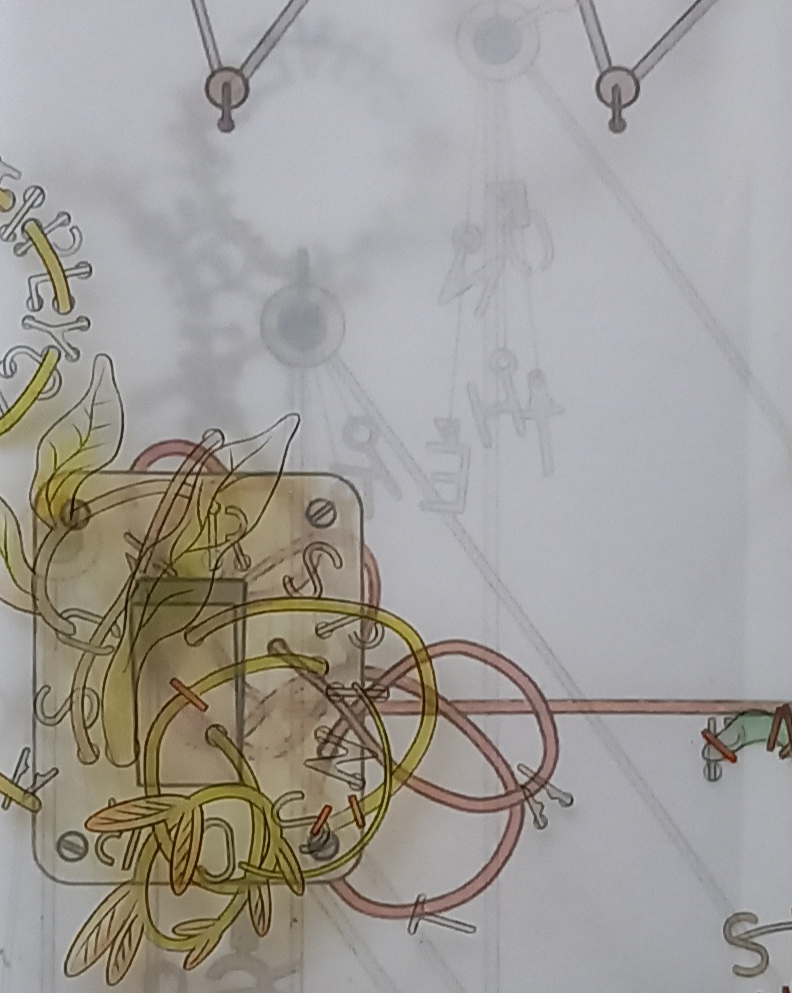
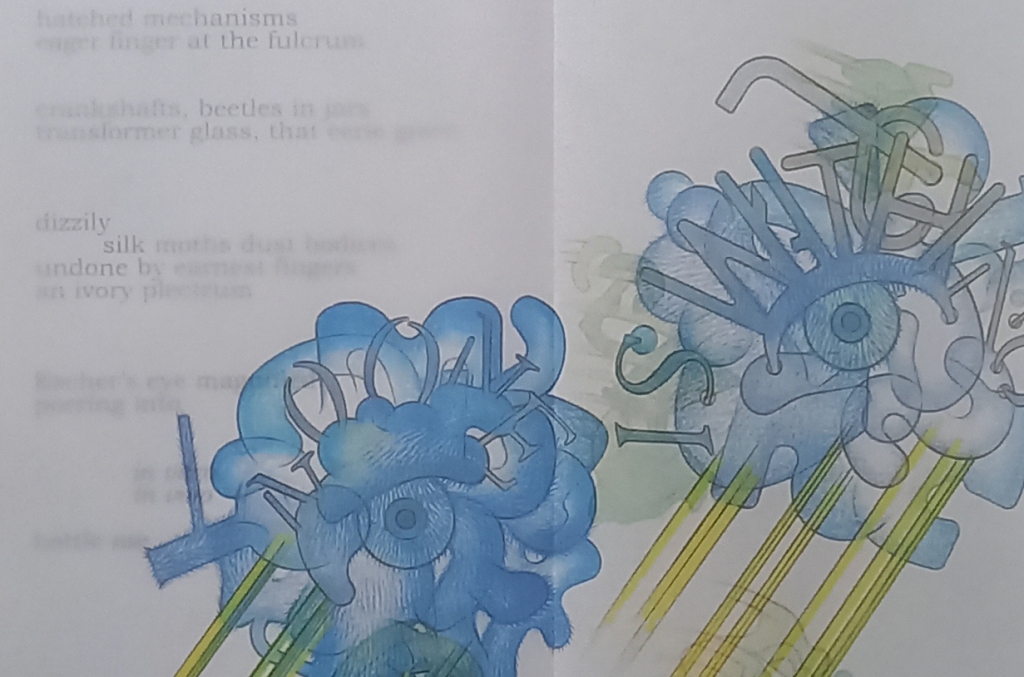
untitled 20

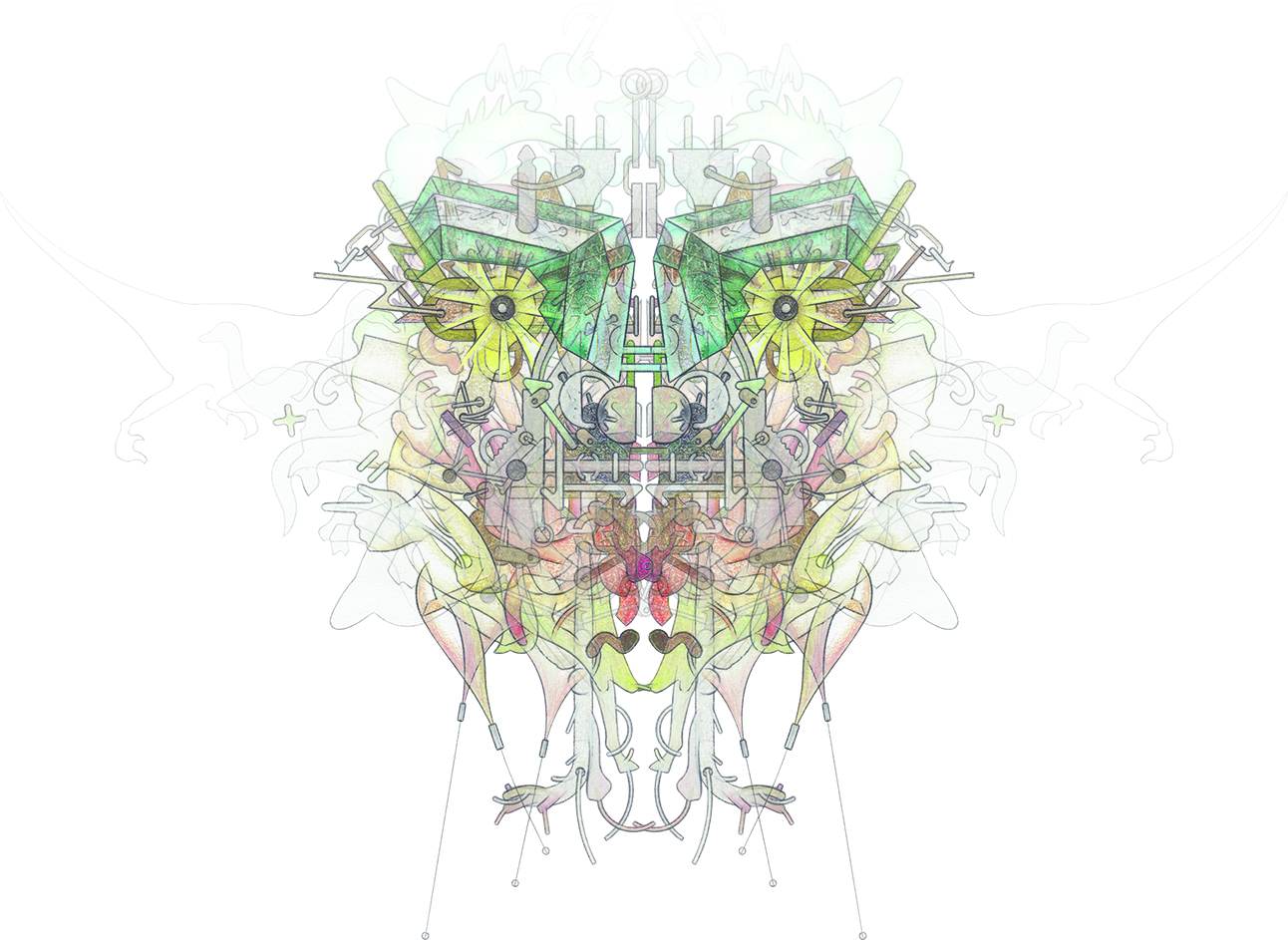
31Jan10

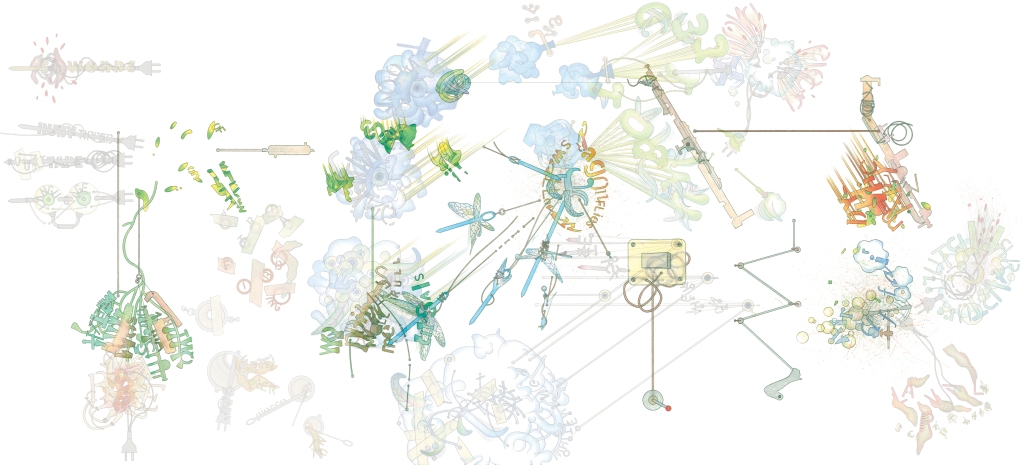
Untitled
Pencil and gouache on paper
30cm x 30cm
© 2010 Tammy Lu

“Instead of the vertical abyss between words and world, above which the perilous footbridge of correspondence would hang, we now have a sturdy and thick layering of transverse paths through which masses of transformations circulate.

(…)

‘It refers to something there’ indicates the safety, fluidity, traceability, and stability of a transverse series of aligned intermediaries, not an impossible correspondence between two far-apart vertical domains.”

Bruno Latour, Pandora’s Hope (1999)


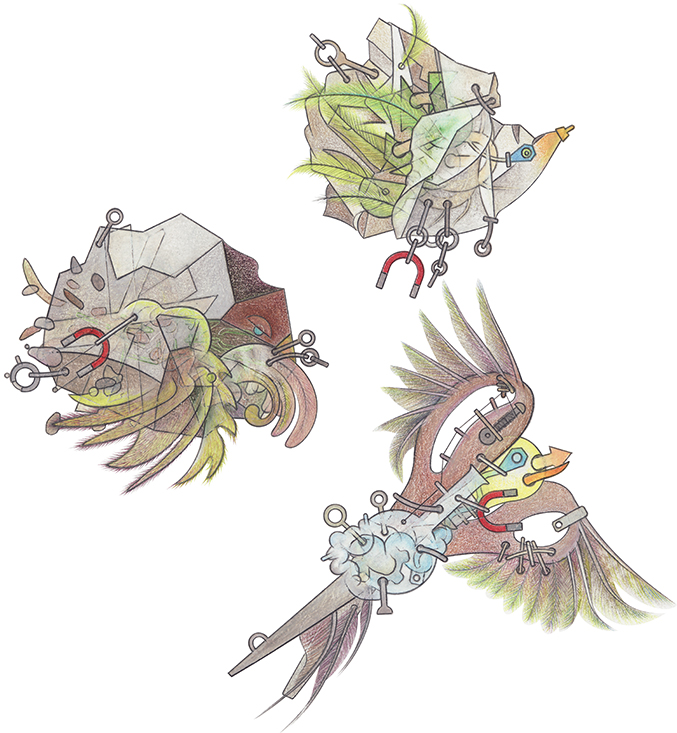
untitled 19

26Dec09

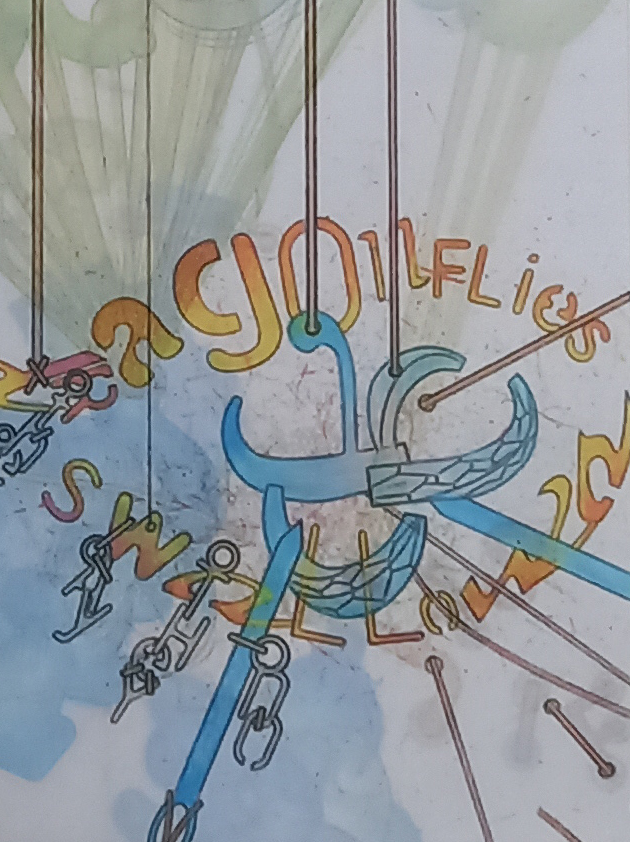
Untitled (detail)
Pencil on paper
30cm x 30cm
© 2009 Tammy Lu

“The unbelievably small and the unbelievably vast eventually meet, like the closing of a gigantic circle.”

Richard Matheson, The Incredible Shrinking Man (1957)


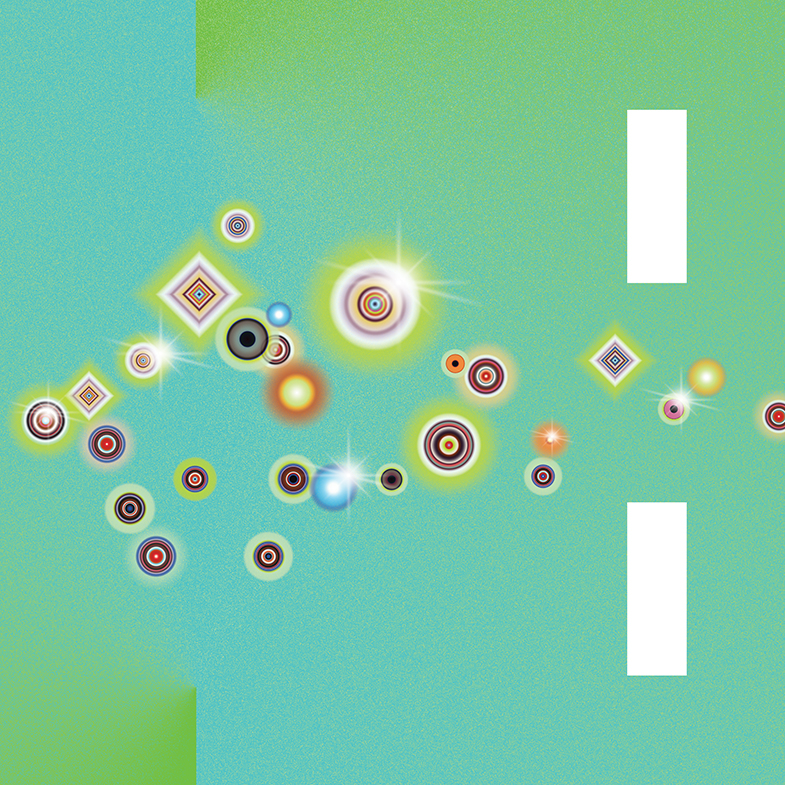
untitled 18

28Nov09

Untitled Pencil on paper 16cm x 27cm © 2009 Tammy Lu

Untitled
Pencil and gouache on paper
16cm x 27cm
© 2009 Tammy Lu

“Whenever we use certain things for attending from them to other things, in the way in which we always use our own body, these things change their appearance. They appear to us now in terms of entities to which we are attending from them, just as we feel our own body in terms of the things outside to which we are attending from our body. In this sense we can say that when we make a thing function as the proximal term of tacit knowing, we incorporate it in our body – or extend our body to include it – so that we come to dwell in it.”

Michael Polanyi, The Tacit Dimension (1966)


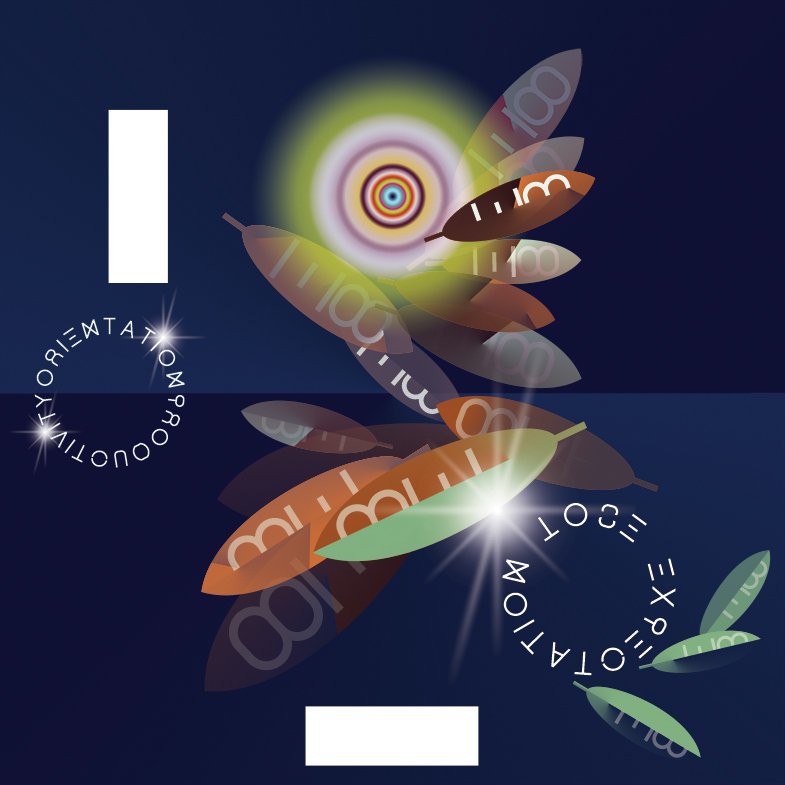
untitled 17

22Nov09

For Speculations: The Journal of Object Oriented Philosophy. Thank you to Paul John Ennis for adopting this image.

Untitled Pencil on paper 16cm x 27cm © 2009 Tammy Lu

Untitled
Pencil and gouache on paper
16cm x 27cm
© 2009 Tammy Lu

”When it comes to the ‘vertical’ relation between real objects and their accessibility to others, the real object is always something more than the  translated distortion through which it is encountered. That is why the real object is said to withdraw from all access, in a manner to which Heidegger alerts us better than anyone else. But the situation is different with the ‘horizontal’ relations between the two kinds of objects and their respective qualities. Here, the object is always less than the features through which it is known. For on the sensual level the tree has a core or eidos that cares nothing for the specific angle or degree of shadow through which it is grasped at any moment. And on the real level, the object is not fully green or smooth or brittle, but unites these traits in a specific and limited fashion, so that any quality is an exaggeration of sorts even with respect to real objects. In fact, we might say that both the real and sensual objects are completely unified, with all of their qualities compressed together in bulk: ‘thistreeness’, for instance. This unified quality becomes pluralized only by leaking off elsewhere into a different quadrant of reality. This can easily be seen from the intentional realm, where a tree is a vaguely grasped unity that becomes plural only through its specific appearance (accidents) or through an intellectual grasp of its most crucial features (eidos). Otherwise, a sensual tree or a wolf per se remain inarticulate blocks or vague feeling-things for the one who encounters them.”

Graham Harman, Prince of Networks: Bruno Latour and Metaphysics (2009)


untitled 16

18Oct09

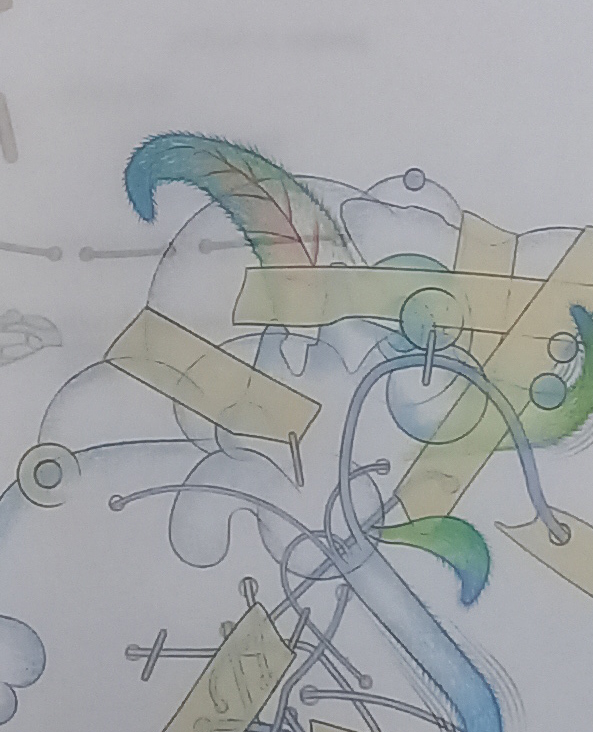
Untitled (detail) Pencil on paper 50cm x 65cm © 2009 Tammy Lu

Untitled (detail)
Pencil on paper
50cm x 65cm
© 2009 Tammy Lu

“But what is an apparatus? First of all, it is a skein, a multilinear whole. It is composed of lines of different natures. The lines in the apparatus do not encircle or surround systems that are each homogeneous in themselves, the object, the subject, language, etc., but follow directions, trace processes that are always out of balance, that sometimes move closer together and sometimes farther away. Each line is broken, subject to changes in direction, bifurcating and forked, and subjected to derivations. Visible objects, articulable utterances, forces in use, subjects in position are like vectors or tensors. (…) Untangling the lines of an apparatus means, in each case, preparing a map, a cartography, a survey of unexplored lands – this is what [Foucault] calls ‘field work.’ One has to be positioned on the lines themselves; and these lines do not merely compose an apparatus but pass through it and carry it north to south, east to west or diagonally.”

Gilles Deleuze,  “What is a Dispositif?” (1988)


untitled 15

05Sep09

Untitled (detail) Pencil on paper 60cm x 50cm © 2009 Tammy Lu

Untitled (detail)
Pencil on paper
65cm x 50cm
© 2009 Tammy Lu

On either side the river lie
Long fields of barley and of rye,
That clothe the wold and meet the sky…

(…)

There she weaves by night and day
A magic web with colours gay.
She has heard a whisper say,
A curse is on her if she stay
To look down to Camelot.
She knows not what the curse may be,
And so she weaveth steadily,
And little other care hath she,
The Lady of Shalott.

And moving thro’ a mirror clear
That hangs before her all the year,
Shadows of the world appear. (…)

Alfred, Lord Tennyson, “The Lady of Shalott” (1832, 1842)

A big thank you to Gene Acompanado for digitizing this image.


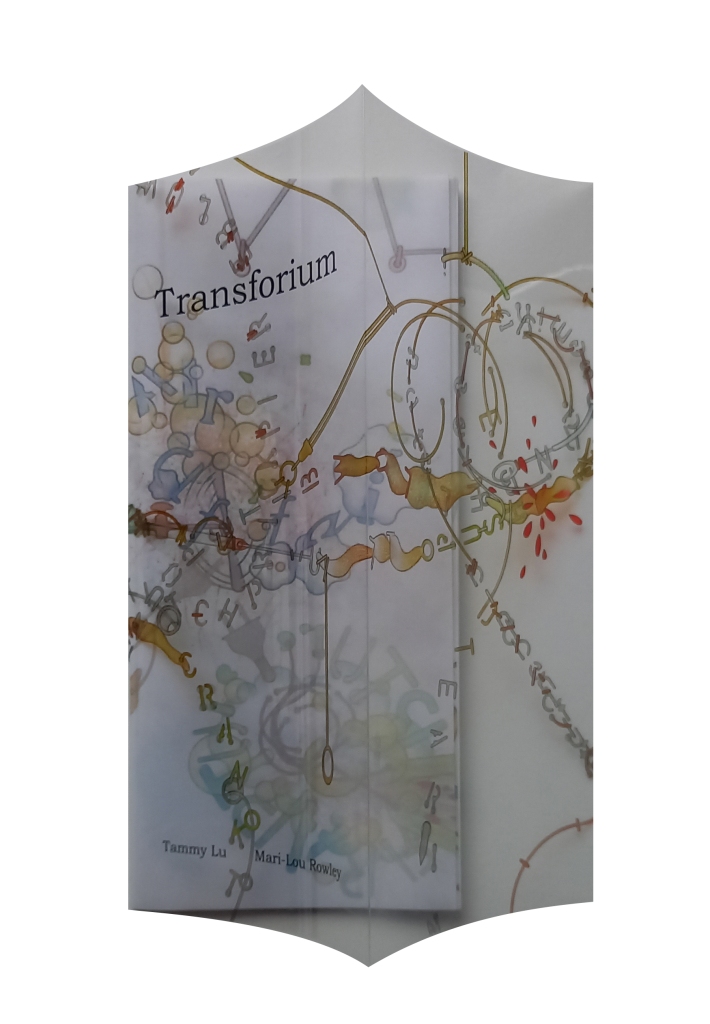
Apparatus

10Aug09

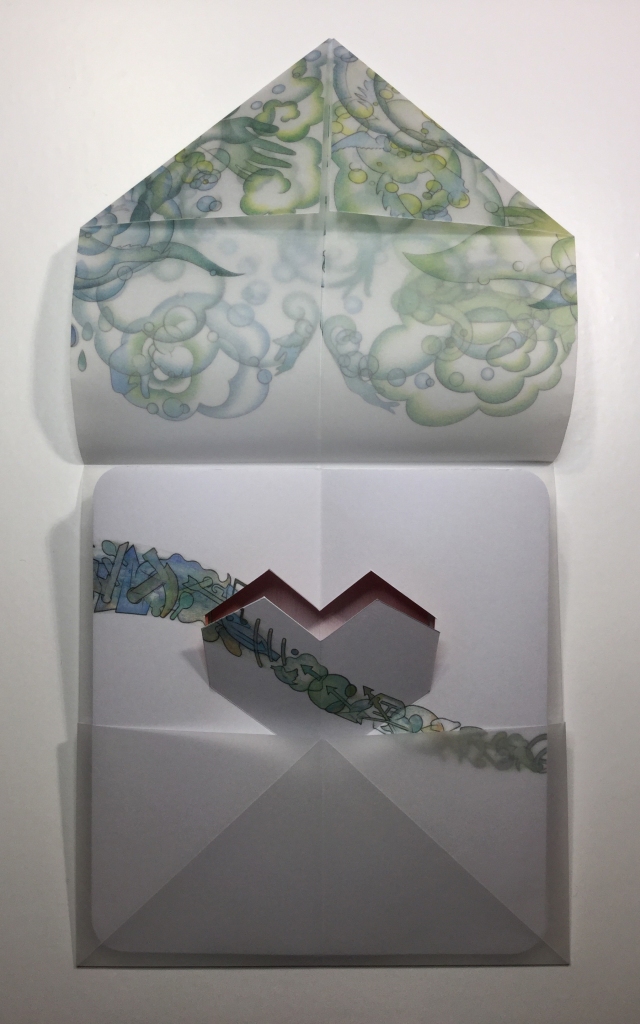
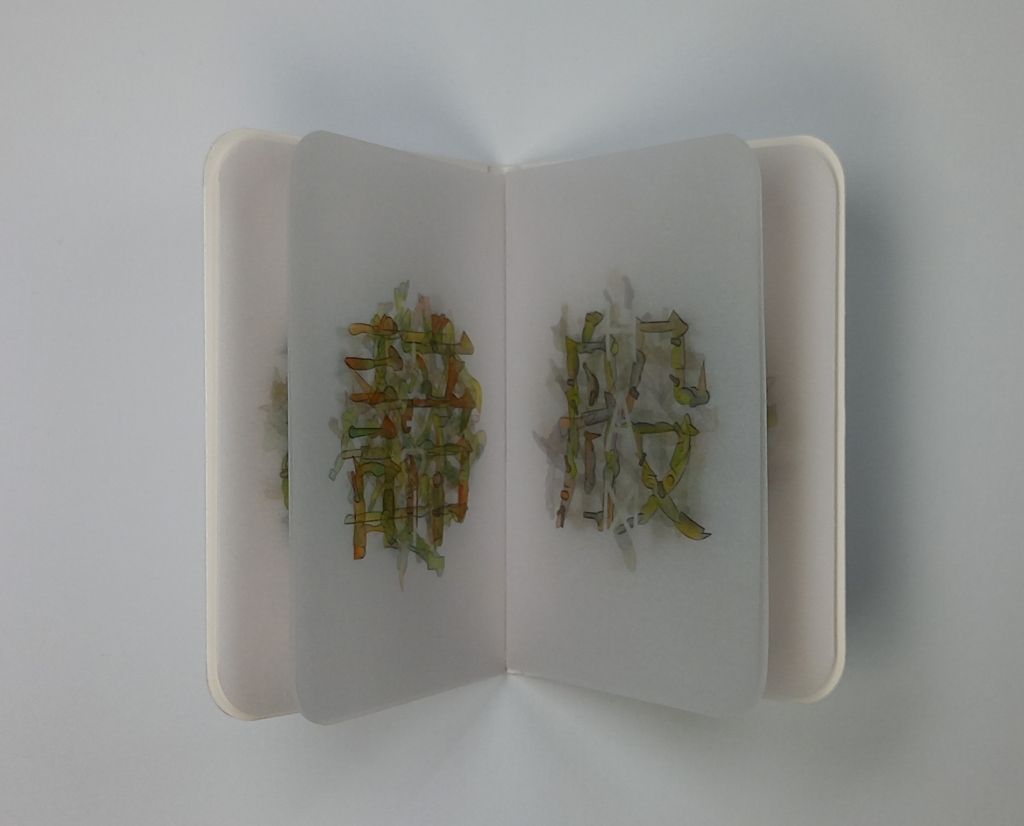
Detail of a zine prepared for the Fools’ Experiments exhibition at the Bournemouth Natural Science Society (BNSS), 24 August 2009 – 5 September 2009.

untitled16

Untitled (detail)
Pencil on paper
42cm x 30cm
© 2009 Tammy Lu

“In the naturalist’s collection things happen to plants that have never occurred since the dawn of the world. The plants find themselves detached, separated, preserved, classified, and tagged. They are then reassembled, reunited, redistributed according to entirely new principles that depend on the researcher, on the discipline of botany, which has been standardized for centuries, and on the institution that shelters them, but they no longer grow as they did in the great forest. The botanist learns new things, and she is transformed accordingly, but the plants are transformed also. (…) Knowledge derives from such movements, not from simple contemplation of the forest.”

Bruno Latour, Pandora’s Hope (1999)

Many thanks to Rachel Worth, Dominic Shepherd, Richard Hurst, Jamie Yeates, Pauline Stanley, Denise Poote, John Cresswell, and Melinda and Terry  Williams-Wilson for their great help and support. This project was sponsored by The Arts University College at Bournemouth (AUCB) Research Fund.


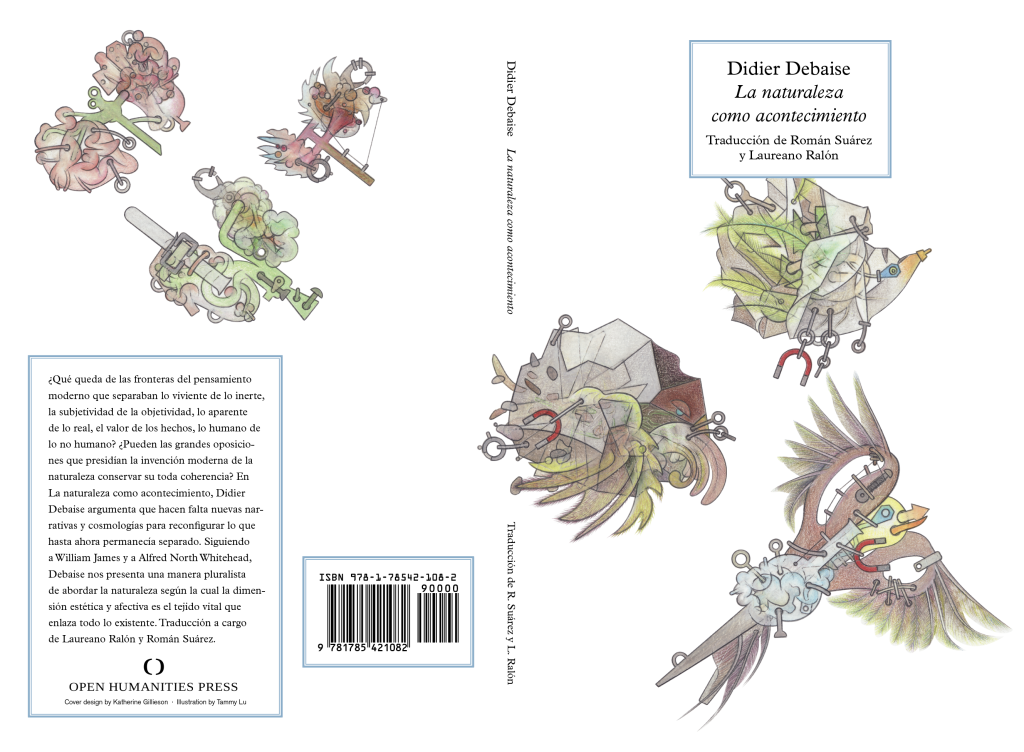
For the New Metaphysics series at Open Humanities Press, edited by Graham Harman and Bruno Latour.

untitled15

New Metaphysics
Pencil on paper
42cm x 30cm
© 2009 Tammy Lu

I am very grateful to Martin Jones and Daniel Montecillo for all their assistance in bringing this image to publication.


untitled 14

01Jul09

Untitled (detail) Pencil on paper 42cm x 30cm © 2009 Tammy Lu

Untitled (detail)
Pencil on paper
42cm x 30cm
© 2009 Tammy Lu

“It would probably not be wrong to define the extreme phase of capitalist development in which we live as a massive accumulation and proliferation of apparatuses. It is clear that ever since Homo sapiens first appeared, there have been apparatuses; but we could say that today there is not even a single instant in which the life of individuals is not modeled, contaminated, or controlled by some apparatus.”

Giorgio Agamben, “What is an Apparatus?” (2006)


untitled 13

26Jun09

Untitled (detail) Pencil on paper 50cm x 65cm © 2009 Tammy Lu

Untitled (detail)
Pencil on paper
50cm x 65cm
© 2009 Tammy Lu

“All that had happened was merely a phenomenon from the realm of vital systems. Clothes, when abstracted from the flow of present time and their transmogrifying function on the human body, and seen as forms in themselves, are strange tubes and excrescences worthy of being classed with such facial decorations as the ring through the nose or the lip-stretching disk. But how enchanting they become when seen together with the qualities they bestow on their wearer! What happens then is no less than the infusion, into some tangled lines on a piece of paper, of the meaning of a great word. Imagine a man’s invisible kindness and moral excellence suddenly looming as a halo the size of the full moon and golden as an egg yolk right over his head, the way it does in old religious paintings, as he happens to be strolling down the avenue or heaping little tea sandwiches on his plate—what an overwhelming, shattering sensation it would be! And just such a power to make the invisible, and even the nonexistent, visible is what a well-made outfit demonstrates everyday of the week.”

Robert Musil, The Man Without Qualitites (1930-1943)


Blog Stats

  • 5,890 hits